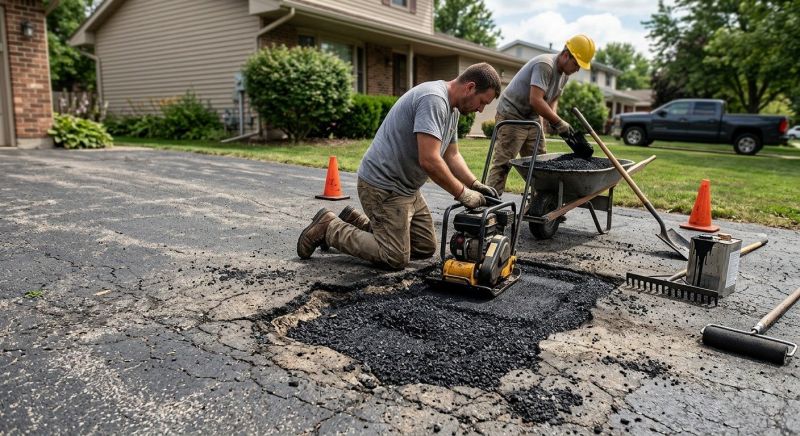
Blacktop Driveway Repair in Little Rock, AR
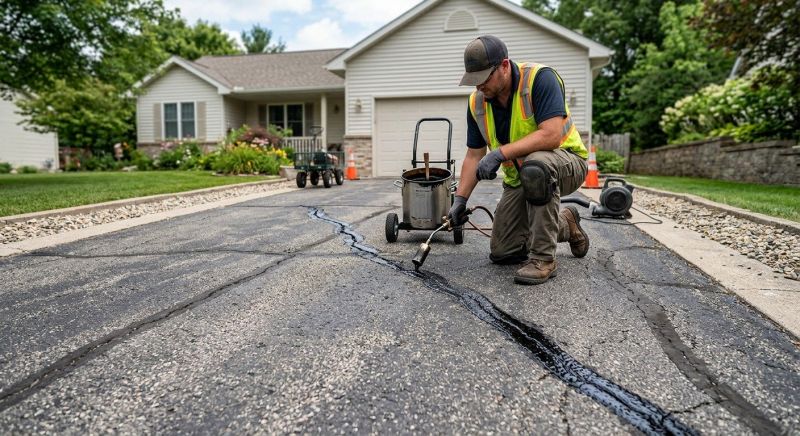
Blacktop driveway repair services address common issues such as cracks, potholes, and surface deterioration that can develop over time due to weather, traffic, and regular use. These repairs typically involve patching damaged areas, sealing cracks, and resurfacing sections to restore the driveway’s smoothness and durability. Property owners often request this service to improve curb appeal, prevent further damage, and maintain a safe and functional driveway for daily activities and vehicle traffic.
Before requesting blacktop driveway repair, homeowners should consider the extent of the damage and whether it affects the structural integrity of the driveway. It’s helpful to understand the types of repairs needed, whether patching, crack sealing, or resurfacing, and to be aware of any underlying issues that may require more extensive work. Proper preparation and clear communication about the specific problems can ensure the repair process effectively addresses the driveway’s condition.
Many property owners in Little Rock, AR look into Blacktop Driveway Repair for repairs, replacements, upgrades, and appearance-related improvements.
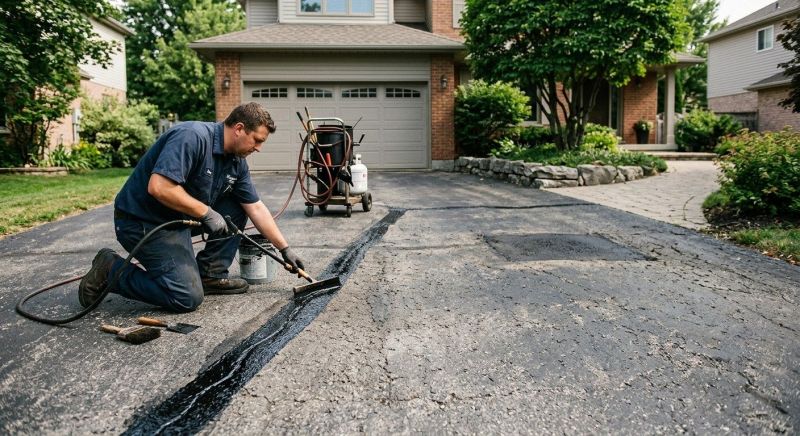
Common Driveway Damage
Cracks, potholes, and surface deterioration are typical signs that a blacktop driveway needs repair.
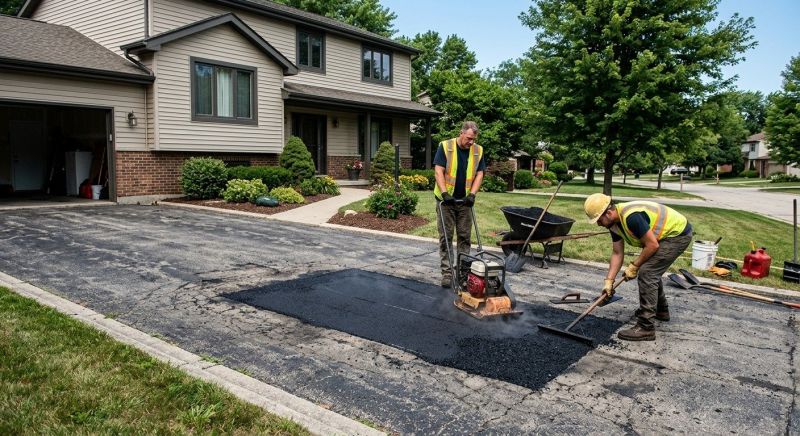
Repair Techniques
Pothole patching, crack filling, and resurfacing help restore the durability and appearance of your driveway.
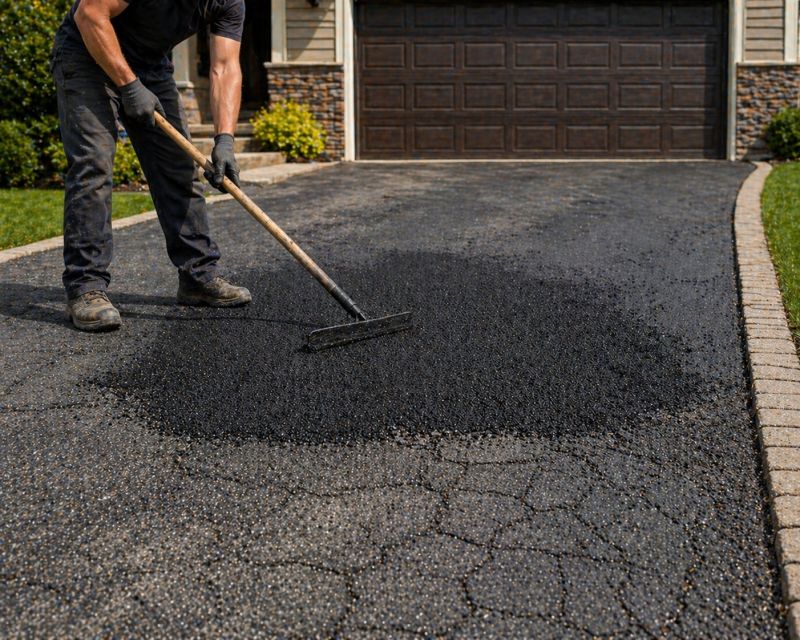
Maintenance Tips
Regular sealing and timely repairs can extend the lifespan of blacktop driveways in little rock, ar.
Blacktop Driveway Repair in Little Rock, AR

Blacktop driveway repair services address common issues such as cracks, potholes, and surface deterioration that can develop over time due to weather, traffic, and regular use. These repairs typically involve patching damaged areas, sealing cracks, and resurfacing sections to restore the driveway’s smoothness and durability. Property owners often request this service to improve curb appeal, prevent further damage, and maintain a safe and functional driveway for daily activities and vehicle traffic.
Before requesting blacktop driveway repair, homeowners should consider the extent of the damage and whether it affects the structural integrity of the driveway. It’s helpful to understand the types of repairs needed, whether patching, crack sealing, or resurfacing, and to be aware of any underlying issues that may require more extensive work. Proper preparation and clear communication about the specific problems can ensure the repair process effectively addresses the driveway’s condition.
Many property owners in Little Rock, AR look into Blacktop Driveway Repair for repairs, replacements, upgrades, and appearance-related improvements.
Common Blacktop Driveway Repair Jobs
Crack Repair - filling and sealing cracks to prevent further damage and water intrusion.
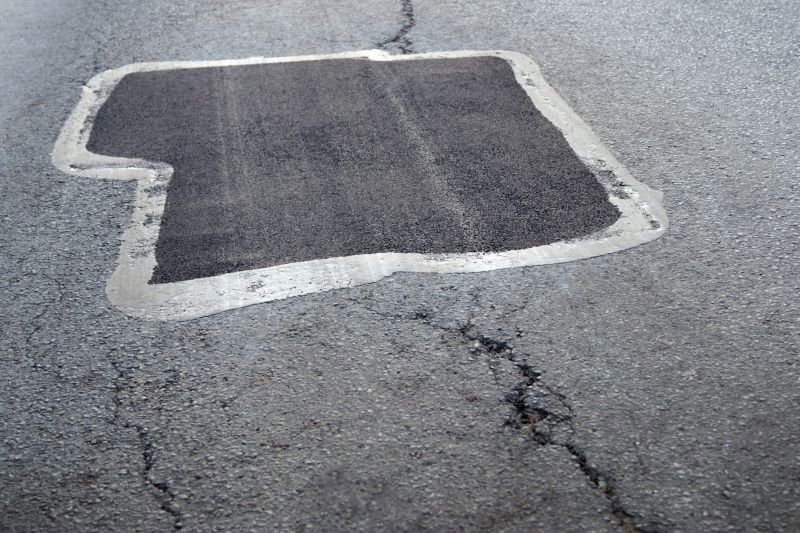
Pothole Filling - restoring smoothness by filling potholes caused by weather or heavy use.
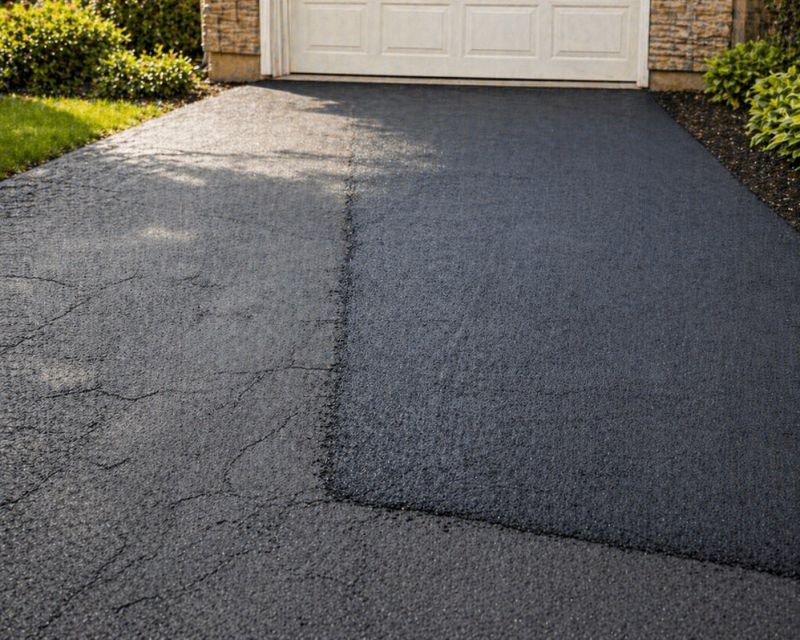
Surface Resurfacing - applying a new layer to improve appearance and extend driveway life.
Edge Repair - fixing crumbling or damaged driveway edges for a clean, finished look.
Sealcoating - protecting the surface from moisture, oil, and UV damage.
Patchwork - repairing localized damaged areas to maintain driveway integrity.
Blacktop Driveway Repair Questions
What types of damage can be repaired on a blacktop driveway? Common issues like cracks, potholes, and surface wear can be addressed to restore driveway integrity and appearance.
Is it possible to extend the lifespan of a blacktop driveway? Regular maintenance such as sealing and timely repairs can help prolong the driveway’s durability and performance.
What are common signs that a blacktop driveway needs repair? Visible cracks, uneven surfaces, and standing water are indicators that repairs may be necessary.
Can damaged areas be seamlessly blended with existing blacktop? Yes, repairs can be performed to match the existing surface for a smooth, uniform appearance.
Request Blacktop Driveway Repair in Little Rock, AR
Use the quote form on this page to share the basics of your project and request more information for the type of work you need.